Multifamily Fire Sprinkler Inspection
Request qualified provider availability for multifamily owners, managers, associations, and maintenance teams. The first step is identifying the actual property, installed systems, prior records, deadline, and access conditions—not accepting a vague one-size-fits-all promise.

Why this service may be needed
Fayetteville's university-driven housing market creates frequent tenant turnover and access constraints. Managers benefit from early notice and consolidated documentation.
Common triggers include an upcoming routine interval, a property sale or refinancing, an insurer request, a management transition, renovation, change in storage or occupancy, or a prior report listing unresolved conditions. A qualified professional should determine which inspection and testing activities apply to the installed system.
- unit access and notice
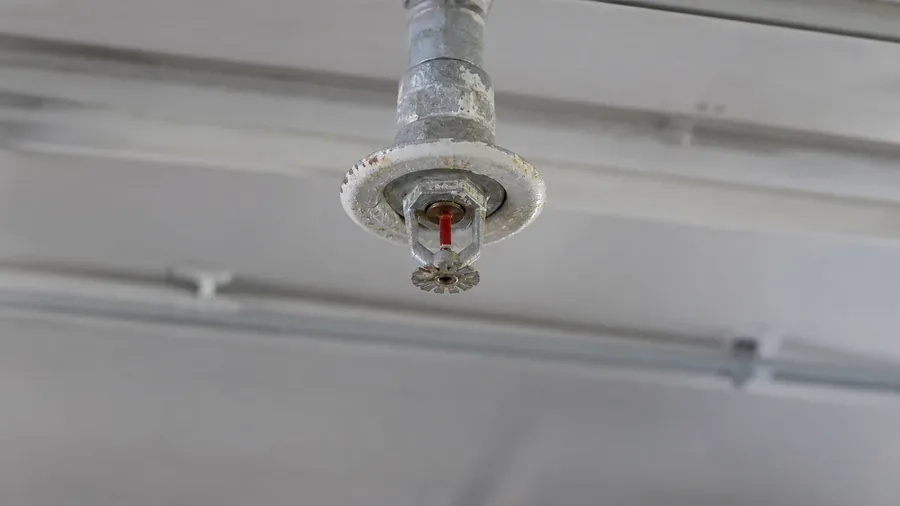
- painted or damaged heads
- freeze or leak history
- records lost during management changes
System type and inspection interval questions
A single “annual inspection” label may not describe every activity due for a property. Wet-pipe, dry-pipe, pre-action, and deluge systems can have different components and testing needs. Fire pumps, standpipes, backflow assemblies, supervisory devices, and waterflow alarms may also require separate qualifications, coordination, or documentation.
Ask the provider to identify which monthly, quarterly, annual, or longer-term activities apply to the installed equipment instead of relying on a generic interval. Depending on the system and adopted requirements, the scope may discuss valve condition, main-drain results, waterflow or supervisory devices, pump performance, dry-system trip testing, or internal pipe investigation. Only the qualified provider and applicable authority should determine what is actually due at the property.
Fayetteville's Fire Marshal guidance identifies regularly tested and tagged sprinkler systems and accessible inspection records as common compliance concerns. Arkansas rules also address licensed firms, qualified personnel, reporting, and record retention. Review the official references with the proposed provider rather than treating this page as a code interpretation.
What to prepare before requesting an appointment
Provide the complete property address, occupancy and property type, approximate building size, number of buildings, and system information if known. Attach or make available the most recent inspection report and any documentation for repairs, alterations, acceptance tests, freeze events, leaks, or impairment history.
Identify riser rooms, valve locations, fire department connections, pump rooms, secured areas, tenant spaces, roof or stair access, and any areas requiring escorts. Share alarm-monitoring contacts and building notification procedures with the contractor. Do not disable or manipulate life-safety equipment yourself.
Scope questions to ask
| Question | Why it matters |
|---|---|
| Which systems and components are included? | Sprinklers, pumps, standpipes, backflow assemblies, alarms, and hood systems may require separate scopes. |
| What documentation is delivered? | Owners often need a written report, labels or tags when appropriate, and a clear list of findings. |
| Who coordinates alarms and occupants? | Testing can require monitoring notifications, access, and operational planning. |
| How are deficiencies handled? | Inspection, diagnosis, repair, and retesting may be separate authorizations. |
Pricing factors in Fayetteville
Pricing may depend on system size and type, number of risers or zones, test frequency, pumps or standpipes, travel, records, building access, required staff, after-hours work, monitoring coordination, and report requirements. The lowest quote is not necessarily comparable if it excludes important systems or documentation.
Ask for a written proposal that identifies assumptions, exclusions, deliverables, payment terms, and what happens if additional conditions are discovered. Avoid anyone who guarantees a pass before inspecting the property.
After the visit
Keep the report with prior inspection, repair, alteration, and acceptance records. Review every listed condition and obtain a written corrective scope from a qualified provider. Separate clerical issues from physical deficiencies, and do not represent a system as compliant merely because an appointment occurred.
When repairs are completed, retain invoices, work descriptions, parts information when provided, and retest or closure documentation. Future managers and contractors should be able to understand what was observed and what was corrected.
When this request may need a different specialist
Multifamily Fire Sprinkler Inspection should not be used as a catch-all label for every fire and building-safety concern. Fire alarm inspection, portable extinguisher service, kitchen hood suppression, backflow certification, electrical work, plumbing work, engineering analysis, and emergency response may require separate providers. Describe the observed condition instead of guessing which trade owns it.
If there is an active fire, uncontrolled water release, alarm activation, suspected impairment, or immediate danger, follow the property emergency plan and contact emergency services and responsible building personnel. A routine web request is not an emergency channel. Do not close valves, silence alarms, drain systems, or attempt repairs unless you are authorized and qualified.
How to compare proposals
Compare providers on exact scope, qualifications, documentation, exclusions, access plan, monitoring coordination, schedule assumptions, and corrective-work process—not only total price. A higher proposal may include systems, testing, or reporting omitted from a lower quote. Ask each provider to identify the standards and local requirements used for the agreed work without asking the provider to promise a result in advance.
Related sprinkler inspection requests
A property may need more than one written scope. Review related guidance and ask the provider which systems are included:
Related property-manager resources
Use these guides to prepare records, clarify inspection scope, compare cost factors, and track findings after the visit:
Frequently asked questions
Can you guarantee a property will pass?
No. Only the qualified professional evaluating the installed system can document findings, and no result should be promised in advance.
Does the sprinkler inspection include the fire alarm?
Not automatically. Confirm whether alarm testing, monitoring coordination, pumps, standpipes, backflow, and other systems are included.
Can inspection happen while the building is occupied?
Often, but access, notifications, alarms, water discharge, and business operations must be coordinated with the provider and property representative.
Who should approve repairs?
The responsible owner or authorized representative should review a written scope from an appropriately qualified provider.