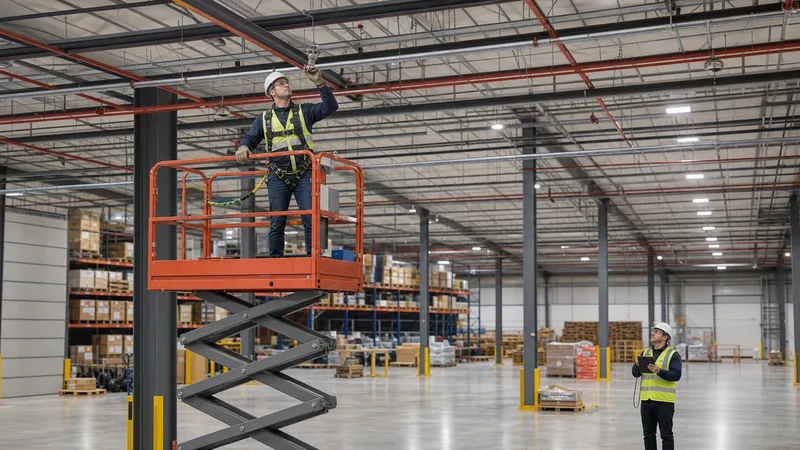
Safe overhead-system access
Some facilities require planned lift access, occupied-area coordination, and a clear understanding of the overhead system before work begins.
Prepare one clear sprinkler inspection or testing request for a commercial, industrial, or multifamily property anywhere along the Fayetteville–Springdale–Rogers–Bentonville corridor and surrounding NWA communities. Then identify related pump, standpipe, backflow, alarm, extinguisher, or hood-suppression coordination that may require a qualified fire-protection provider.

Well-prepared commercial inspection work involves more than looking at one sprinkler head. It requires appropriate access, system knowledge, property coordination, and organized records.
Visual disclosure: The people shown are representative models—not employees, assigned contractors, or proof of completed customer jobs. Confirm the identity and qualifications of the actual provider before authorizing work.
Some facilities require planned lift access, occupied-area coordination, and a clear understanding of the overhead system before work begins.

Riser assemblies, gauges, valves, labels, and prior records help the responsible professional understand the system and proposed scope.

Property teams should receive a clear explanation of the agreed scope, observed conditions, documentation, and any separate corrective work.

Building use, storage, renovations, access, and operational constraints should be discussed before inspection and testing activities are scheduled.
Commercial fire protection is broader than one inspection label. Scope can vary by system type, building use, inspection interval, prior findings, access, documentation, and the qualifications required for each system.
Fayetteville Fire Marshal guidance identifies regularly tested and tagged sprinkler systems and available inspection records as common fire-code concerns. Arkansas rules also regulate firms and personnel involved in sprinkler inspection and service. Use theprovider verification checklist and ask the actual provider which current requirements apply to the property.
Request qualified review for property managers, owners, facility teams, and associations.
Explore this service →Request qualified review for retail, office, hospitality, healthcare, education, and commercial property operators.
Explore this service →Request qualified review for commercial owners, facility teams, industrial operators, and property managers reviewing longer-term sprinkler-system needs.
Explore this service →Request qualified review for owners and managers responding to inspection findings.
Explore this service →Request qualified review for large commercial, industrial, institutional, and multifamily facilities.
Explore this service →Request qualified review for multistory buildings, parking structures, and large facilities.
Explore this service →Request qualified review for warehouse owners, operators, tenants, and industrial managers.
Explore this service →Request qualified review for multifamily owners, managers, associations, and maintenance teams.
Explore this service →Request qualified review for restaurant operators, landlords, franchisees, and facility managers.
Explore this service →Sprinkler inspection, testing, deficiency follow-up, fire pumps, and standpipes remain the site's primary service cluster. The NWA Fire Protection brand also gives facility teams a clear place to describe related alarm, extinguisher, backflow, kitchen-suppression, repair, or installation needs when a complete life-safety scope requires more than one specialty.
Each provider must confirm the systems it is qualified to inspect, test, repair, or coordinate. A broad request should never be treated as proof that one contractor covers every fire-protection discipline.
See how common inspection findings may look before evaluation and after a potential corrective outcome. These images help property teams recognize discussion points before requesting service.
Visible corrosion, paint contamination, or physical damage should be evaluated by a qualified fire-protection professional. Replacement scope and acceptability depend on the installed system and actual condition.
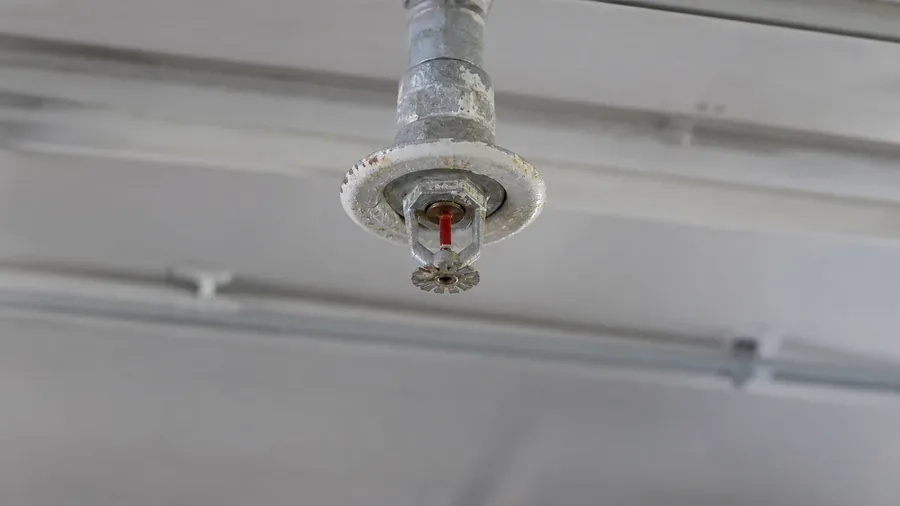 Before scenario
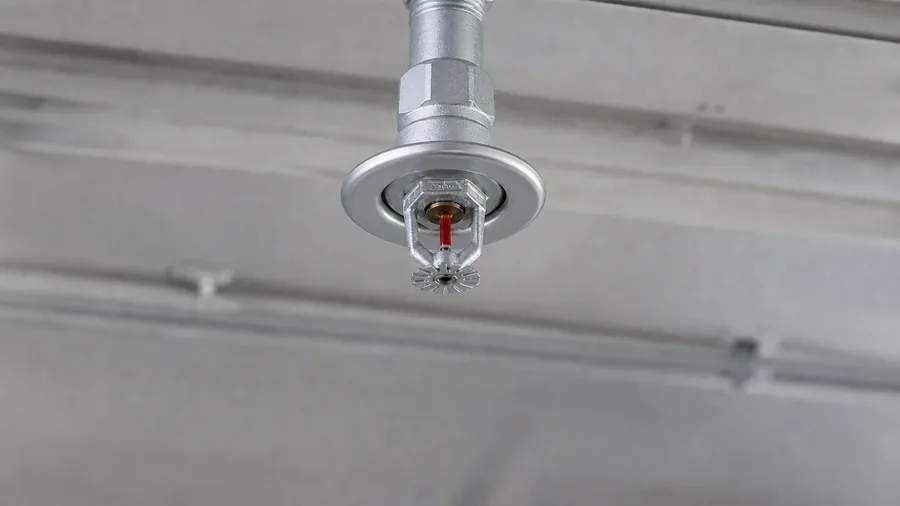 After scenario
Storage arrangements can affect sprinkler performance. A qualified provider should evaluate actual storage height, commodity, racks, ceiling conditions, and system design rather than relying on a photograph.
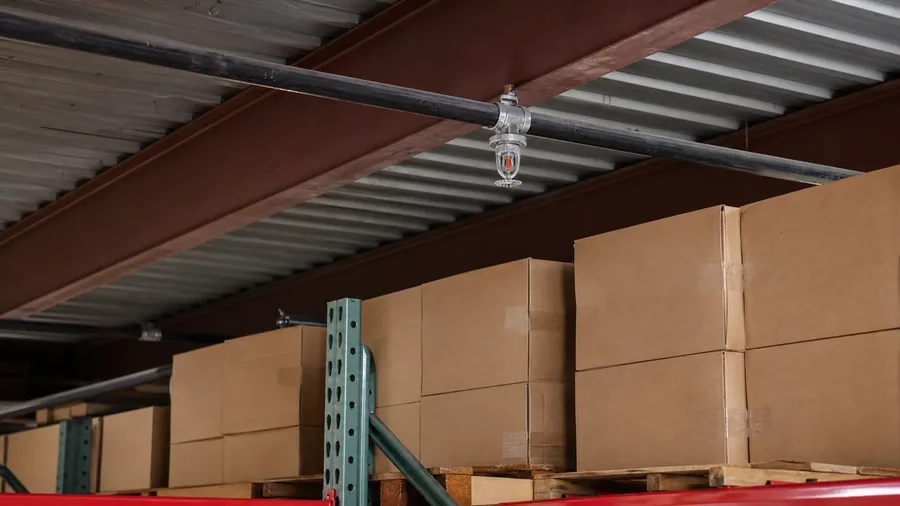 Before scenario
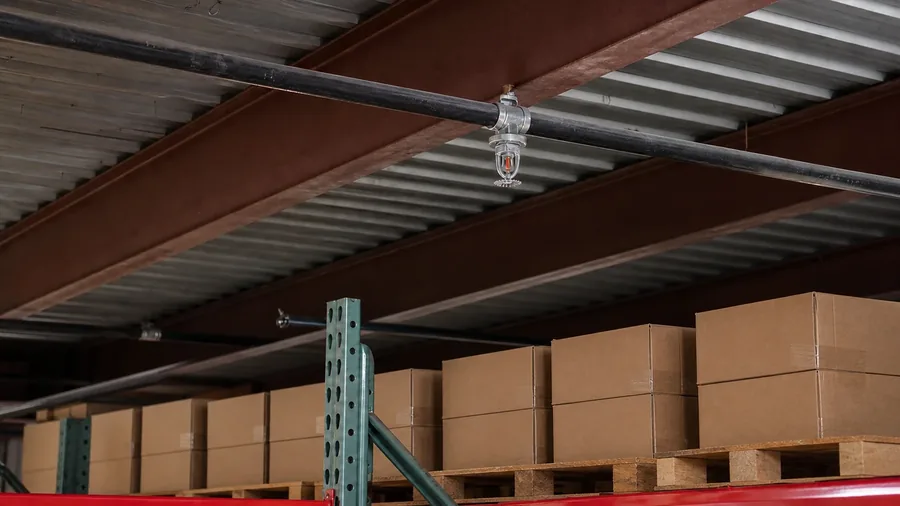 After scenario
A clean appearance does not prove that a system passed. Gauges, valves, tags, testing, documentation, and any corrective work must be evaluated by appropriately qualified personnel.
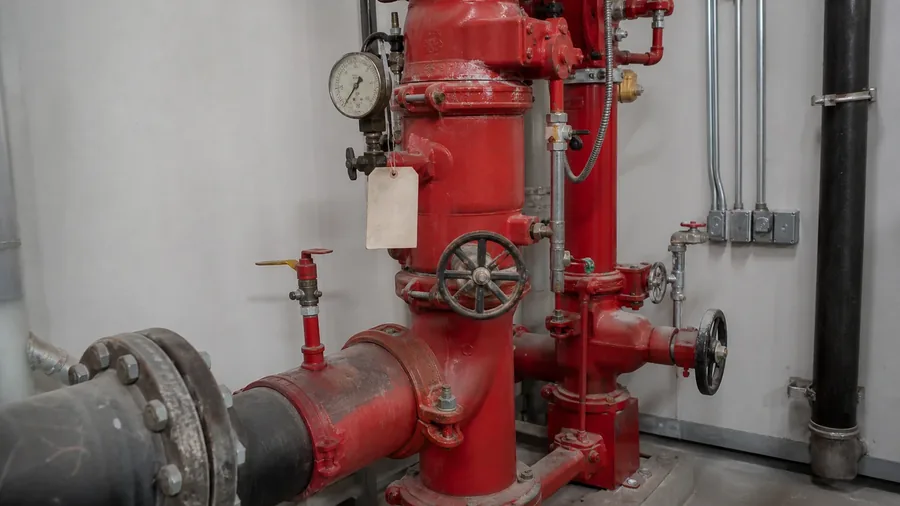 Before scenario
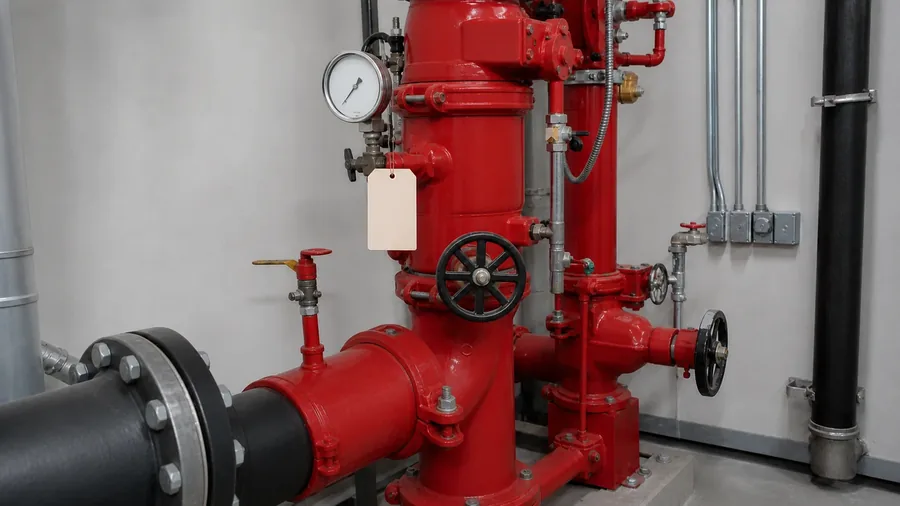 After scenario
Gather the property address, system type if known, prior inspection report, deadline, onsite contact, alarm-monitoring information, and access instructions. Do not assume a quoted scope includes pumps, standpipes, alarms, backflow devices, or kitchen hood systems unless the provider says so in writing.
See the request processAvailability is provider-specific and should be confirmed for the actual address and system.
A practical overview of timing, documentation, and provider qualifications.
Read guide →Factors that influence inspection pricing without misleading flat-rate claims.
Read guide →A preparation checklist for property managers and facility teams.
Read guide →A measured plan for reviewing findings and obtaining a corrective scope.
Read guide →How to organize inspection, testing, repair, and coordination records.
Read guide →A plain-language introduction to water-based system inspection, testing, and maintenance.
Read guide →Share the property type, location, system information, and timing for service-fit review.